 Skip to content
 services@innblac.com
 +8613802505081
Custom Running Singlets Bulk
- by Lucy Zhou
The Architecture of Velocity: Engineering the High-Performance Race Silhouette for Growing Athletic Labels
In the current landscape of the 2026 apparel industry, the "Running Boom" has evolved from a fitness trend into a sophisticated subculture defined by community-driven run clubs and "Boutique Athletics." For independent designers, procurement managers, and owners of scaling lifestyle brands, this shift has transformed the technical race vest—the iconic singlet—into a high-utility "hero piece." However, successfully bringing a refined, zero-distraction silhouette to market requires more than just an eye for aesthetics; it demands a deep dive into the mechanical science of moisture-dispersing textiles and the industrial agility to produce them at scale.
For a scaling brand, the transition from localized screen-printing on generic blanks to professional-grade, fiber-level customization is a pivotal strategic hurdle. Understanding the global manufacturing ecosystem is the first step in building a resilient and profitable performance line.
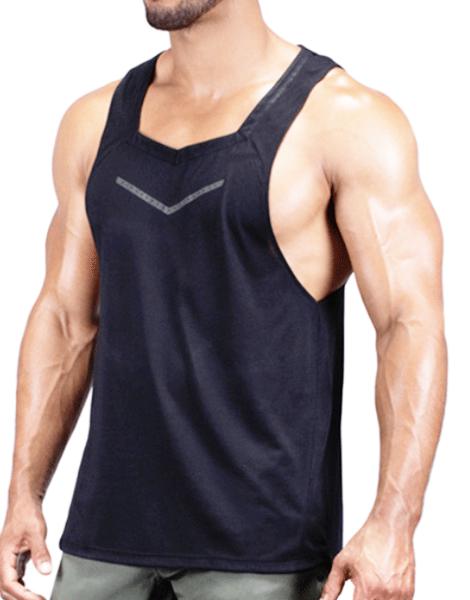
The North American Landscape: Innovation Hubs and the "Heritage Barrier"
When scouting for volume production of customized technical athletic vests within the United States, the industrial map is primarily anchored in the Pacific Northwest (Oregon and Washington), home to global athletic titans, and the rapid-prototyping design corridors of Southern California.
The US market remains the most sophisticated consumer of performance wear. Today’s runners are hyper-aware of "sensory weight" and "friction zones." They demand garments that effectively disappear during a 26.2-mile effort. While demand is at an all-time high, the domestic manufacturing model presents specific structural friction points for growing SMEs:
· The Sourcing Ceiling: While US-based hubs offer world-class rapid prototyping, the specialized high-gauge yarns—specifically the multi-filament, micro-denier polyesters required for "feather-light" race gear—are predominantly imported from advanced chemical mills in East Asia. Domestic facilities often serve as assembly points for international textiles, leading to significant middleman markups on the raw material costs.
· The Complexity of Print: High-performance race gear often requires all-over sublimation printing to maintain breathability (as traditional screen-printing inks clog the fabric’s pores). The specialized machinery and high-temperature heat presses required for this are often reserved for Tier-1 brands, leaving smaller labels with limited customization options.
· Cost vs. Margin: Due to high labor overhead and the specialized nature of flatlock stitching (essential for chafe-free seams), the factory-gate price for a custom domestic singlet can be 150-250% higher than technically integrated global alternatives. For an SME, this leaves very little margin for the digital community-building and marketing necessary to survive.
Technical Mastery: The Anatomy of the Zero-Distraction Singlet
In professional garment procurement, a "running singlet" is a piece of precision engineering. To differentiate a collection in a crowded market, a buyer must master the specifications that define the product's lifespan and utility.
1. Fiber Architecture and GSM
Standard athletic shirts are often too heavy for competitive racing. The "Elite" standard in 2026 utilizes ultra-lightweight knits:
· Feather-Weight Mesh (90-115GSM): Typically a 100% Recycled Polyester with a "Bird’s Eye" or "Pin-hole" construction. This weight is essential for heat dissipation in high-humidity environments.
· Hydrophobic Composition: By utilizing specialized polymers that naturally repel water, the garment avoids "sweat-loading"—staying light even when saturated.
2. Functional Features and Processing
Consumers no longer buy "just a tank top"; they buy a performance solution. The most popular features are achieved through specific industrial methods:
· Mechanical Wicking: Achieving dryness through capillary action (the shape of the fiber itself) rather than temporary chemical sprays that wash out.
· Silver-Ion Integration: Embedding antimicrobial agents at the yarn level to inhibit odor-causing bacteria growth.
· Laser-Cut Venting: Using high-precision lasers to create targeted "breathability zones" on the back and underarms, with heat-bonded hems to reduce weight and prevent fraying.
The Lifecycle of a Run: Navigating the Workflow
Moving into professional custom production requires a disciplined, step-by-step approach. In the traditional Western model, the "MOQ Wall" is a primary deterrent, often starting at 1,000 units per style. Our modular approach re-tools this timeline for the scaling label:
1. Technical Development (2-3 weeks): We translate your vision into a digital Tech Pack, specifying every seam type, GSM weight, and sublimation layout.
2. The Sampling Loop: We produce a "First Fit" sample to test the silhouette. For race gear, we encourage a "Sweat Test" to verify the moisture-management benchmarks.
3. Lab Dips & Color Matching: We provide dyed-to-match (DTM) panels to ensure your brand's specific palette remains vibrant and consistent.
4. Bulk Manufacturing (6-8 weeks): Once the Pre-Production Sample (PPS) is approved, our integrated lines handle precision cutting, sublimation, and specialized flatlock assembly.
5. Final Inspection & DDP Logistics: Every unit undergoes a 100% QC check before being shipped via Delivered Duty Paid (DDP), meaning the price we quote is the final price at your door—handling all tariffs and final-mile logistics.
The Strategic Pivot: Why Agile Technical Integration Wins
This is where the transition to an agile, vertically integrated production partner becomes the catalyst for a brand’s evolution. We have re-engineered the apparel manufacturing model specifically to serve as a technical R&D wing for brands that have outgrown boutique seamstresses but are not yet ready for industrial-tier minimums.
1. Engineering Identity at the Fiber Level
We don't just "source" fabric; we mill it. Because our facility is located at the center of the world's most advanced performance textile supply chain, we offer direct access to GRS-certified recycled nylons and bio-based fibers that haven't hit the Western wholesale market yet.
2. Agile Manufacturing: The 500-Unit Threshold
We have modularized our production lines to support professional-grade custom runs starting at just 500 units per style. This allows your label to:
· Launch "Limited Race Editions" to test market appetite without risking your entire capital.
· Protect your cash flow by avoiding the "Inventory Trap" of over-stocking.
· Maintain a "Factory-Direct" price point that allows for healthy retail markups.
3. 3D Virtual Prototyping: Zero-Waste Speed
The old world of sourcing involves months of shipping physical samples. We have neutralized this bottleneck using 3D Virtual Fit Simulation (CLO3D). We render your designs on digital avatars that represent your target demographic's exact measurements, reducing your R&D timeline by 70%.
Conclusion: Scaling with Technical Certainty
The quest for a production partner is ultimately a quest for Technical Agility. While domestic hubs provide an essential service for certain niche prototyping, the growth of a modern, performance-driven brand depends on innovation at the fiber level. You need a partner who understands the science of a custom weave, the precision of a 3D fit, and the financial reality of a scaling startup.
By choosing to partner with a specialized manufacturing solution for global scaling brands, you are not just outsourcing labor; you are upgrading your brand’s engine. You gain the freedom to innovate, the margins to grow, and the quality to retain a loyal customer base in a crowded market.
Ready to Engineer Your Brand’s Next Iconic Collection?
Stop Sourcing "Parts." Start Engineering a Movement.
If you are a designer, founder, or procurement manager ready to see the side-by-side technical and cost advantages of our "Direct-to-Founder" manufacturing model, let’s collaborate.
· Access our "Race-Ready" Sample Kit: Experience our 90-130GSM technical knits and specialized "Dry-Tech" finishes with full safety and traceability compliance before you commit.
· Get a Custom 3D Fit Consultation: Send us your design ideas or a reference photo, and our engineers will provide a 360-degree 3D rendering and a comprehensive "Landed Cost" comparison for your 500-unit custom run.
Would you like our technical team to provide a 3D Fit Rendering of your custom race singlet design to show you how we can elevate your silhouette today?[📩 Contact Us Now for Catalog and Custom Quotation]
