 Skip to content
 services@innblac.com
 +8613802505081
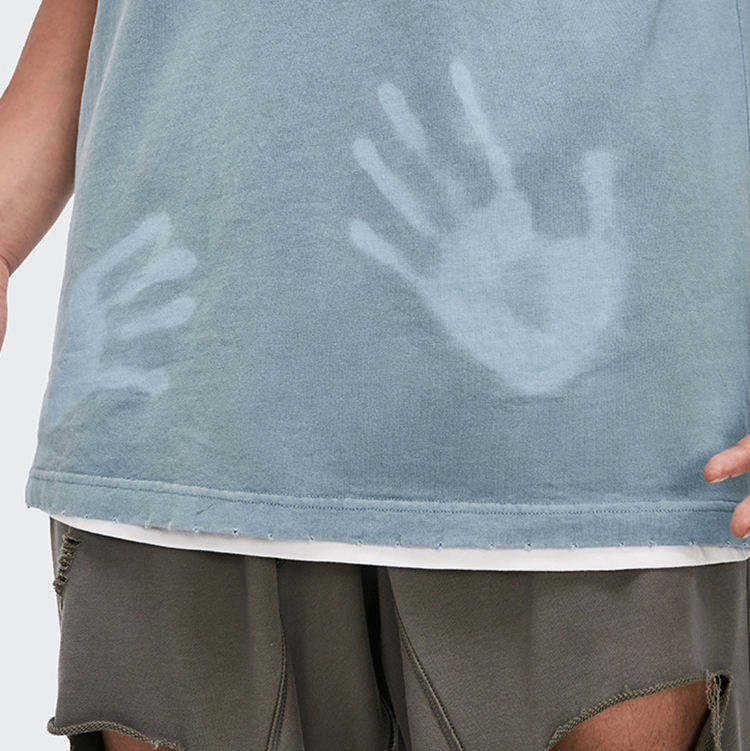
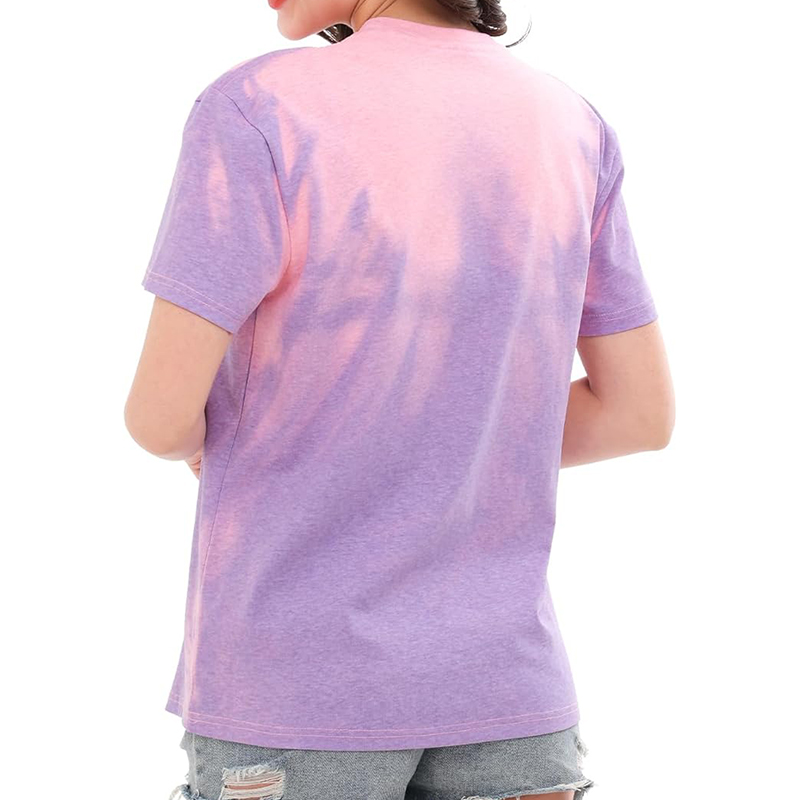
Thermoregulating Fabric Clothing Wholesale
- by Lucy Zhou
The Architectural Stitch: Mastering Thermal Intelligence in High-Utility Garment Engineering
In the current landscape of the 2026 apparel market, the definition of a "basic" has undergone a fundamental transformation. For the modern consumer, the value of a piece is no longer measured solely by its silhouette or brand logo, but by its "Environmental Intelligence"—the ability of the textile to interact with the wearer’s micro-climate. For procurement managers, independent designers, and SME brand owners, the search for a partner who can bridge the gap between high-tier textile science and agile commercial volume is the new strategic frontier.
As a label matures from localized prototyping to professional-grade commercial volume—specifically crossing the 500-unit threshold—the choice of a manufacturing partner becomes a question of "Technical Agility." To understand why a vertically integrated international partner is the catalyst for this growth, one must first look at the industrial architecture of the domestic market and the specific demands of the modern buyer.
The North American Landscape: Innovation Hubs and the "Sourcing Wall"
When scouting for large-scale production of customized, responsive apparel within the United States, the footprint is largely concentrated in three historic regions: the Southeast (North Carolina), the California design corridor, and the Innovation District of Massachusetts (Boston).
Domestic centers have traditionally focused on two extremes: massive industrial-scale fulfillment for institutional needs or high-end boutique "Cut, Make, and Trim" (CMT) services. However, for a brand in its growth phase, the domestic model presents several structural friction points:
· Consumer Demand & Awareness: North American buyers are increasingly sophisticated regarding "Climate-Adaptive" wear. No longer restricted to extreme outdoor gear, these properties are now expected in office-commuter wear and luxury loungewear.
· The Material Paradox: While the US excels in raw fiber innovation, the specialized knitting and finishing required for high-utility textiles—specifically Phase Change Materials (PCMs) or mineral-embedded yarns—often rely on high-gauge machinery that is predominantly located in advanced industrial zones in Asia. A domestic factory is often an assembly point for global materials, which adds layers of logistical markup to the Bill of Materials (BOM).
· Cost vs. Scalability: Domestic production operates under significant labor overhead. This results in a factory-gate price that is often 150%–250% higher than technically integrated alternatives. For an SME, this leaves very little margin for the digital marketing and community-building necessary to compete on a global stage.
The Science of Comfort: How Thermal Regulation is Engineered
To win the market, a brand must understand the specific mechanical properties that allow a garment to manage a wearer's body temperature. In 2026, the most successful labels are those that master the "Three Pillars of Responsive Fiber":
1. Phase Change Integration: Utilizing micro-encapsulated waxes within the fiber that absorb heat when the body is hot and release it when the body cools. This ensures the garment maintains a consistent "Zone of Comfort" regardless of external shifts.
2. Hollow-Core Fiber Architecture: Instead of a solid thread, these yarns feature a central void. This air pocket acts as a natural insulator, trapping heat without adding weight (ideal for 180-240GSM mid-layers).
3. Cross-Sectional Wicking: Moving beyond topical finishes, mechanical wicking utilizes "plus" or "W" shaped fiber cross-sections to pull liquid away from the skin through capillary action, accelerating evaporation and cooling.
These textiles are typically engineered in weights ranging from ultra-lightweight 140GSM jersey for base layers to 320GSM interlock knits for high-performance outerwear.
The Lifecycle of a Professional Order: Navigating the Friction
Most independent designers find themselves trapped in "Sourcing No-Man's-Land." They have outgrown the limitations of small-batch local seamstresses, but they lack the 10,000-unit volume required by traditional industrial conglomerates. The traditional domestic workflow often looks like this:
· High MOQs: Most US-based mills offering custom technical knits demand at least 1,000 to 2,500 units per style for a proprietary color or finish.
· Sampling Bottlenecks: Prototyping typically takes 4 to 6 weeks, with development fees for a technical piece ranging from $500 to $1,500 per style.
· Lead Times: Once the Pre-Production Sample (PPS) is approved, bulk manufacturing stretches to 14–18 weeks, making it nearly impossible for a startup to react to seasonal data.
The Strategic Pivot: Why Agile Technical Integration Wins
This is where the transition to a vertically integrated, international production partner acts as a technical accelerator. We have re-engineered the apparel partnership model specifically to serve as an R&D wing for brands that require world-class technical specs with the flexibility of a startup.
1. Engineering Identity at the Yarn Level
We don't just "buy fabric"; we mill it. Because our facility is located at the center of the world's most advanced technical textile supply chain, we offer direct access to fiber innovations—such as recycled GRS-certified graphene blends—that haven't hit the Western wholesale market yet. We engineer the knit from the polymer up.
2. Agile Manufacturing: The 500-Unit Pivot
We have modularized our production lines to support professional-grade manufacturing starting at just 500 units per style. This allows your brand to:
· Launch "Signature Drops" to test market appetite without risking your entire capital.
· Protect your cash flow by avoiding the "Inventory Trap" of over-stocking.
· Maintain a "Factory-Direct" price point that allows for the 3–4x markups required for retail expansion.
3. 3D Virtual Prototyping: Zero-Waste Speed
The old-world method of shipping physical samples back and forth is the enemy of the modern fashion cycle. We utilize CLO3D Virtual Fit Simulation to accelerate your development.
"Our engineers render your designs on digital avatars that represent your target demographic's exact measurements. You can adjust the knit tension, the collar-stay drape, and the overall silhouette virtually. This digital-first approach reduces your R&D timeline by 70%, ensuring your first physical sample is nearly production-ready."
4. Landed Price Certainty (DDP Logistics)
The primary deterrent for North American and European buyers is the perceived complexity of international logistics. We have neutralized this by offering DDP (Delivered Duty Paid) shipping. The price we quote is the final price at your door—handling all customs, tariffs, and final-mile delivery.
Conclusion: Scaling with Technical Certainty
The quest for a production partner is ultimately a quest for Technical Agility. While domestic hubs provide an essential service for certain niche needs, the growth of a modern, lifestyle-driven brand depends on innovation at the fiber level. You need a partner who understands the science of a custom weave, the precision of a 3D fit, and the financial reality of a scaling startup.
By choosing to partner with a specialized manufacturing solution for scaling global labels, you are not just outsourcing labor; you are upgrading your brand’s engine. You gain the freedom to innovate, the margins to grow, and the quality to retain a loyal customer base in a crowded market.
Ready to Engineer Your Brand’s Next Iconic Collection?
Stop Sourcing "Parts." Start Engineering a Legacy.
If you are a designer, founder, or procurement manager ready to see the side-by-side technical and cost advantages of our "Direct-to-Founder" manufacturing model, let’s collaborate.
· Access our "Climate-Adaptive" Sample Kit: Experience our 180-280GSM technical knits and specialized "Responsive" finishes with full safety and traceability compliance before you commit.
· Get a Custom 3D Fit Consultation: Send us your design ideas or a photo of your favorite reference, and our engineers will provide a 360-degree 3D rendering and a comprehensive "Landed Cost" comparison for your 500-unit custom run.
Would you like our technical team to provide a 3D Fit Rendering of your custom responsive garment design to show you how we can elevate your silhouette today?
Partner with us, and make the strategic investment in world-class technical manufacturing.[📩 Contact Us Now for Catalog and Custom Quotation]
