 Ir directamente al contenido
 servicios@innblac.com
 +8613802505081
Fabricante de ropa de trabajo transpirable
- por {{ author }} Lucy Zhou
La ventaja de Airflow: por qué las marcas de ropa práctica modernas están optando por un abastecimiento de tejidos que se adapta al clima
En el panorama actual de la ropa profesional e industrial, la definición de «ropa funcional» está experimentando una revolución silenciosa. La lona pesada tradicional y el algodón rígido ya no son los reyes indiscutibles de las obras. A medida que avanzamos hacia 2026, la población activa mundial exige un cambio fundamental hacia la «inteligencia medioambiental»: prendas que ofrezcan una gran durabilidad sin sacrificar el confort térmico ni la movilidad. Para los responsables de compras, los diseñadores independientes y los propietarios de marcas en expansión, este cambio representa una enorme oportunidad comercial, pero que requiere una reorganización completa de la cadena de suministro tradicional.
Para una marca emergente, pasar de lanzamientos conceptuales a pequeña escala a un volumen comercial de nivel profesional supone un giro de gran riesgo. Para recorrer este camino con éxito, es necesario conocer a fondo las capacidades de fabricación regionales y la ciencia mecánica que hay detrás de los tejidos modernos de alta ventilación.

El paisaje norteamericano: un legado de gran peso y el «muro del volumen»
A la hora de buscar fabricantes nacionales de uniformes industriales y ropa de trabajo a medida en Estados Unidos, la búsqueda conduce inevitablemente a tres zonas bien diferenciadas: las históricas fábricas de la Sureste (las Carolinas), los centros de ropa resistente de la Medio Oeste (Texas y Ohio), y los centros de diseño de prototipado rápido de Sur de California.
La demanda de ropa funcional de alta ventilación en Occidente se encuentra en su punto más alto. Los consumidores ya no están dispuestos a sudar bajo tejidos pesados y no transpirables solo para conseguir resistencia a los pinchazos o a la abrasión. Esperan que su ropa profesional rinda como la ropa deportiva de alta gama. Sin embargo, el modelo de producción nacional presenta varias complejidades estructurales que dificultan la expansión de las empresas:
· El límite máximo de abastecimiento: Aunque Estados Unidos es uno de los principales productores de sarga de algodón en bruto, los polímeros sintéticos especializados y ligeros —como los nylons con micro-ripstop y las mezclas avanzadas de poliéster que disipan la humedad— se importan principalmente de fábricas químicas punteras de Asia. Las fábricas nacionales actúan principalmente como centros de montaje, lo que añade elevados márgenes de los intermediarios a la lista de materiales (BOM).
· El coste de la artesanía: La confección de prendas de alta transpirabilidad requiere maquinaria especializada, como mesas de corte por láser para los orificios de ventilación y máquinas de sellado de costuras para la impermeabilización. Debido a los elevados costes de mano de obra, el precio de fábrica de una chaqueta o un pantalón de uso doméstico técnicamente complejo puede ser entre un 150 % y un 250 % más elevado que el de las alternativas globales integradas.
· La limitación de existencias: Los mayoristas nacionales suelen limitar a las marcas más pequeñas a modelos básicos preexistentes y fijos. Para un diseñador que busque una silueta articulada a medida, entrepiernas con fuelle o una paleta de colores exclusiva, las cantidades mínimas de pedido (MOQ) en Estados Unidos para el teñido personalizado de tejidos suelen oscilar entre 1.000 y 2.500 unidades por modelo.
Ingeniería de servicios públicos: ¿qué caracteriza al equipamiento profesional moderno?
Para triunfar en el mercado actual, una marca debe conocer las características específicas y los materiales que fomentan la fidelidad de los consumidores. En el sector de la ropa profesional de trabajo, la «comodidad» es un parámetro técnico cuantificable.
Pesos y composiciones
El sector está dejando atrás la lona de algodón tradicional de 12 oz (onzas). Los estándares actuales se centran en tejidos más ligeros y de alta tenacidad:
· Ripstop elástico (de 210 a 250 GSM): Suele ser una mezcla de algodón, poliéster y un pequeño porcentaje de spandex. El tejido en forma de rejilla evita que los desgarros se extiendan, al tiempo que mantiene una sensación de ligereza.
· Híbridos de nailon y algodón (NyCo): Combina la comodidad del algodón natural con la extrema resistencia a la abrasión del nailon, lo que lo hace ideal para pantalones de trabajo en climas cálidos.
· Paneles de ventilación de malla (de 140 a 180 GSM): Se colocan estratégicamente bajo los brazos, en la zona lumbar o detrás de las rodillas para crear zonas de circulación de aire pasiva.
Procesamiento funcional más popular
Los compradores actuales no se limitan a adquirir un uniforme; compran una solución de microclima. Entre los métodos de procesamiento más solicitados se encuentran:
· Acción capilar mecánica: Utilizando perfiles de fibra que alejan el líquido de la piel de forma mecánica, en lugar de recurrir a sprays químicos que se eliminan tras veinte lavados.
· Recubrimientos de teflón y C6 DWR: Acabados superficiales repelentes a los líquidos que permiten que el aceite y el agua se deslicen en forma de gotas sin obstruir los poros del tejido.
· Zonas perforadas con láser: Utilización de láseres controlados por ordenador para perforar orificios microscópicos de ventilación en los paneles, lo que permite una ventilación directa sin comprometer la integridad estructural de la junta.
El ciclo de vida de una tirada: del plano a la entrega en el almacén
Llevar a cabo un proyecto de diseño a medida profesional requiere un proceso de trabajo disciplinado y por etapas para garantizar que el resultado final se ajuste a la intención original del diseñador. En el modelo occidental tradicional, este ciclo de vida se prolonga entre 14 y 20 semanas:
1. Diseño técnico (Tech Pack): Convertir bocetos en planos precisos, especificando los tipos de costuras, los refuerzos (remates) y la ubicación de los bolsillos.
2. Prototipos y pruebas de laboratorio: Se realiza una «primera prueba de ajuste» física para comprobar la ergonomía. Al mismo tiempo, se realizan pruebas de tintes en laboratorio para garantizar la uniformidad del color. En el caso del equipamiento de trabajo, esta fase suele requerir una «prueba de uso» en lugares de trabajo reales.
3. Montaje a granel: Una vez aprobada la muestra de preproducción (PPS), se ponen en marcha las líneas de producción para el corte, la costura y la colocación de los accesorios (cremalleras, botones a presión y rodilleras reforzadas).
El giro estratégico: por qué la integración ágil en el extranjero resulta ventajosa para las pymes
Es precisamente aquí donde la transición hacia un socio de producción ágil y verticalmente integrado se convierte en el factor determinante del éxito de una marca. Hemos rediseñado el modelo de fabricación en el extranjero específicamente para que sirva de motor técnico de I+D para marcas que han superado la etapa de las costureras artesanales, pero que aún no están preparadas para los volúmenes restrictivos de los grandes conglomerados industriales.
1. Diseño de la identidad a nivel de fibra
No nos limitamos a comprar tejidos de un catálogo; los fabricamos nosotros mismos. Dado que nuestras instalaciones se encuentran en el centro de la cadena de suministro químico-textil más avanzada del mundo, ofrecemos acceso directo a innovaciones en el ámbito de las fibras —como los nylons reciclados con certificación GRS y los hilos refrescantes de origen biológico— que aún no han llegado al mercado mayorista occidental.
2. Auténtica flexibilidad con un MOQ realmente bajo: el punto de inflexión de las 500 unidades
Hemos modularizado nuestras líneas de producción para dar respuesta a Producciones personalizadas de calidad profesional a partir de tan solo 500 unidades por modelo. Esta «escala híbrida» permite a tu marca:
· Lanza colecciones cápsula exclusivas para sondear el interés del mercado sin arriesgar todo tu capital.
· Protege tu flujo de caja evitando la «trampa del inventario» que supone tener existencias excesivas.
· Mantener un nivel de precios «directo de fábrica» que permita aplicar márgenes de beneficio al por menor de entre 3 y 4 veces el precio de coste.
3. Prototipado virtual en 3D: rapidez sin residuos
El antiguo sistema de abastecimiento implicaba meses de envíos de muestras físicas de un lado a otro. Hemos eliminado este cuello de botella utilizando Simulación de ajuste virtual CLO3D. Representamos tus diseños en avatares digitales que reflejan las medidas exactas de tu público objetivo, lo que reduce en un 70 % el tiempo necesario para la creación de muestras físicas.
4. Seguridad en el precio en destino (logística DDP)
El principal obstáculo para los compradores occidentales es la complejidad que se percibe en la logística internacional. Lo hemos simplificado ofreciendo Envío DDP (Entrega con derechos de aduana pagados). El precio que le ofrecemos es el precio final, con el producto entregado en la puerta de su almacén. Nos encargamos de los trámites aduaneros, de las variaciones en los aranceles y de la entrega en el último tramo.
Conclusión: La expansión con certeza técnica
La búsqueda de un socio de producción es, en definitiva, una búsqueda de Agilidad técnica. Si bien los centros nacionales prestan un servicio esencial para determinadas necesidades tradicionales, el crecimiento a largo plazo de una marca de productos básicos moderna y orientada al estilo de vida depende de la innovación a nivel de las fibras. Necesitas un socio que comprenda la ciencia de un tejido a medida, la precisión de un ajuste en 3D y la realidad financiera de una startup en expansión.
Al optar por asociarse con una solución de fabricación especializada para marcas en expansión a nivel mundial, no solo estás subcontratando mano de obra, sino que estás potenciando el motor de tu marca. Obtienes la libertad para innovar, los márgenes necesarios para crecer y la calidad que te permite fidelizar a tu clientela en un mercado saturado.
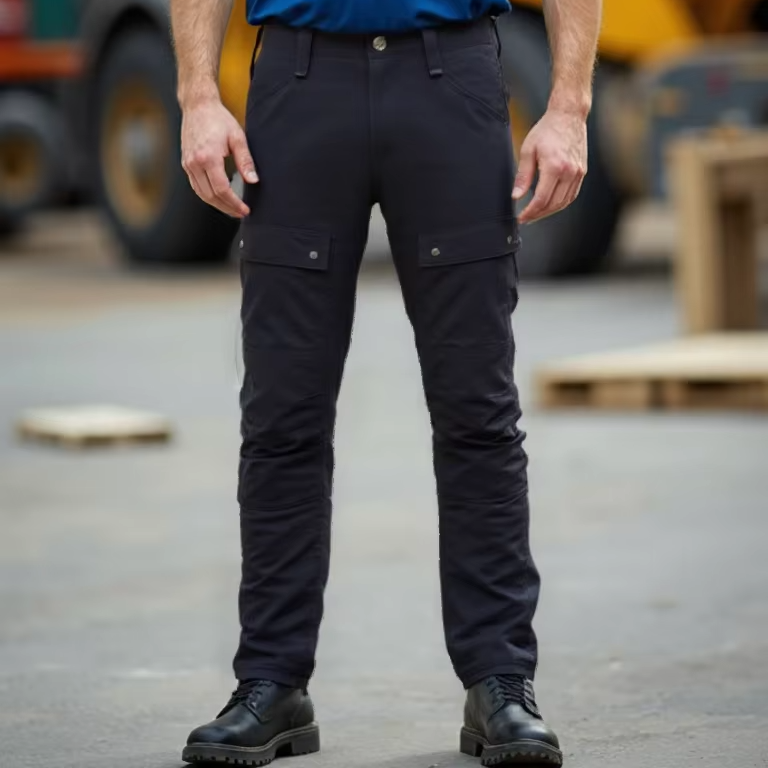
¿Estás listo para diseñar la próxima colección icónica de tu marca?
Deja de buscar «piezas». Empieza a crear un movimiento.
Si eres diseñador, fundador o responsable de compras y estás dispuesto a conocer las ventajas técnicas y económicas de nuestro modelo de fabricación «Direct-to-Founder», colaboremos.
· Accede a nuestro kit de muestras «adaptado al clima»: Prueba nuestros tejidos ripstop técnicos, nuestros paneles de ventilación de malla y nuestros acabados especializados, que cumplen plenamente con los requisitos de seguridad y trazabilidad, antes de decidirte.
· Solicita una consulta personalizada sobre ajuste 3D: Envíanos tus ideas de diseño o una foto de tu referencia favorita, y nuestros ingenieros te proporcionarán una representación 3D en 360 grados y una comparación exhaustiva del «coste total» para tu Tirada personalizada de 500 unidades.
¿Te gustaría que nuestro equipo técnico te proporcionara una representación en 3D de tu diseño de prenda funcional a medida para mostrarte cómo podemos realzar tu silueta hoy mismo?[📩 Ponte en contacto con nosotros ahora para solicitar el catálogo y un presupuesto personalizado]
