 Ir directamente al contenido
 servicios@innblac.com
 +8613802505081
Camisetas para el control de olores al por mayor
- por {{ author }} Lucy Zhou
La ciencia de la frescura invisible: el diseño de un jersey de gran versatilidad para una marca adaptada al estilo de vida moderno
En el panorama competitivo del mercado de la confección de 2026, la definición de «prenda básica de alta gama» ha experimentado un cambio fundamental. Para el consumidor moderno, el atractivo estético ya no es el único criterio de valor; lo es el rendimiento funcional de la prenda, concretamente su capacidad para mantener la higiene microbiana y la frescura sensorial a lo largo de una jornada de gran actividad. Para los responsables de compras, los diseñadores independientes y los propietarios de marcas en expansión, la búsqueda de un socio capaz de suministrar a gran escala tejido de punto antimicrobiano de alto rendimiento constituye la nueva frontera estratégica.
A medida que una marca pasa de la creación de prototipos a pequeña escala a la producción comercial a gran escala —concretamente, al salvar la brecha entre las tiradas limitadas de boutique y el suministro a nivel industrial—, la integridad técnica del tejido se convierte en una variable determinante. Para gestionar esta transición es necesario contar con un profundo conocimiento del panorama mundial de la fabricación y de la ciencia mecánica que subyace a los acabados textiles modernos.
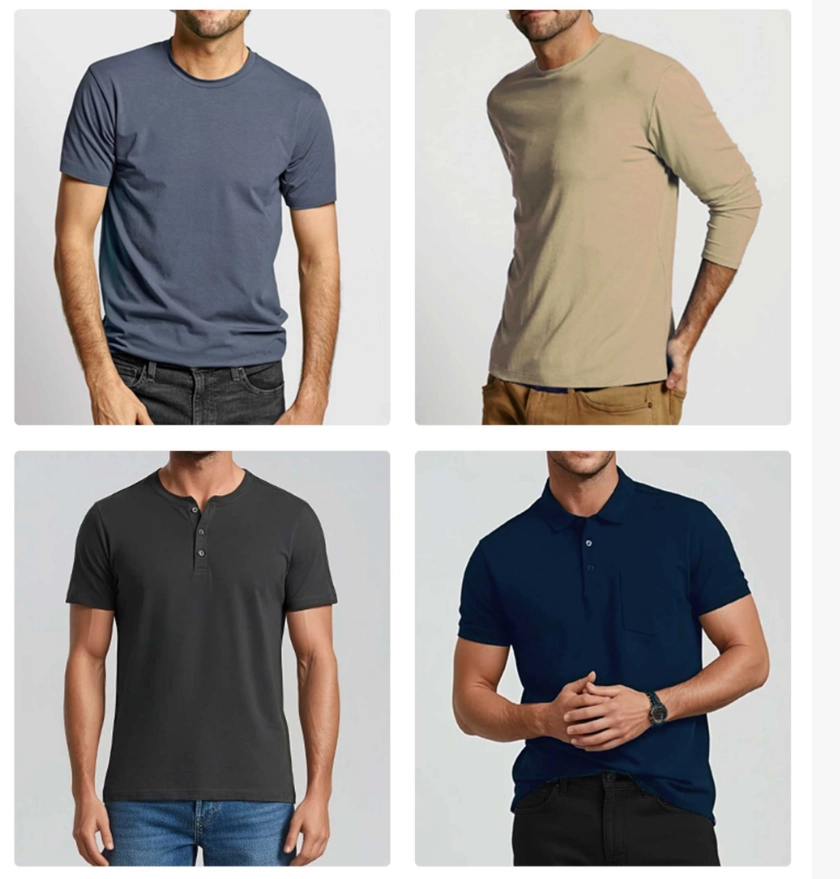
El panorama norteamericano: los centros patrimoniales y la «barrera del volumen»
A la hora de buscar opciones para la producción a gran escala de prendas básicas personalizadas y con propiedades antimicrobianas en Estados Unidos, la actividad manufacturera se concentra principalmente en dos regiones tradicionales: la Corredor del diseño del sur de California y los centros textiles de Carolina del Norte.
Estos centros regionales constituyen la columna vertebral industrial de la ropa deportiva de alto rendimiento de fabricación nacional. En California, la actividad se centra principalmente en la fabricación a medida de «ciclo rápido», mientras que el sureste sigue siendo un gigante en la producción a gran escala, a menudo para contratos gubernamentales y grandes grupos empresariales del sector deportivo a nivel mundial. Sin embargo, para una marca en expansión, el modelo nacional presenta varias complejidades estructurales:
· Demanda y concienciación de los consumidores: El consumidor norteamericano es muy exigente en lo que respecta al «mal olor persistente» de los tejidos sintéticos. Existe una tendencia generalizada hacia los ciclos de lavado de «bajo impacto», lo que significa que los consumidores quieren prendas que se puedan llevar puestas varias veces sin lavarlas. Esto ha hecho que el rendimiento antimicrobiano pase de ser un «extra de lujo» a convertirse en una expectativa básica en el rango de precios de entre 45 y 85 dólares estadounidenses.
· El dilema del tratamiento: Muchas instalaciones con sede en EE. UU. utilizan acabados superficiales—rociar o sumergir la prenda terminada en agentes antimicrobianos. Aunque resultan eficaces al principio, suelen desaparecer tras 15-20 lavados. El método más duradero—integración intrínseca de la fibra, en la que se incorporan iones de plata o polímeros especializados durante la fase de hilado, lo que a menudo requiere que el tejido sea importado procedentes de plantas químicas de vanguardia de Asia, a lo que hay que sumar importantes márgenes de los intermediarios y gastos de logística.
· El coste del cumplimiento normativo: Las instalaciones estadounidenses operan bajo los costes laborales más exigentes del mundo. En consecuencia, una pieza en T sometida a un tratamiento técnico puede tener un precio de fábrica de entre un 150 % y un 250 % más alto que una alternativa global integrada desde el punto de vista técnico. Para una pyme, esto deja muy poco margen para los costes de captación de clientes (CAC) necesarios para sobrevivir en un mercado en el que prima lo digital.
Maestría técnica: cómo se consigue la frescura
Antes de que un responsable de compras pueda seleccionar a un socio, debe comprender las diferencias técnicas entre las distintas tecnologías de «frescura» disponibles en 2026. En el ámbito de la ingeniería textil, el «rendimiento» es un parámetro cuantificable.
1. Los mecanismos de acción
La mayoría de los productos antimicrobianos básicos de gran volumen se basan en una de estas tres tecnologías principales:
· Tecnología de iones de plata (Ag+): El método de referencia. Los iones de plata tienen propiedades antimicrobianas naturales; penetran en la pared celular de las bacterias e impiden su reproducción.
· Acabados de origen biológico (quitosano): Obtenida a partir de conchas de marisco recicladas, se trata de una alternativa ecológica que está ganando popularidad entre las marcas sostenibles.
· Polímeros con infusión de cobre: Conocido tanto por sus propiedades antimicrobianas como por sus posibles beneficios para la salud de la piel, el cobre se utiliza a menudo en las capas base de alta gama.
2. Los indicadores de éxito
Los compradores profesionales no se basan en «la intuición». Se basan en protocolos de ensayo estandarizados. Las dos normas más reconocidas en el mercado occidental son:
· AATCC 100: Prueba cuantitativa que mide el porcentaje de bacterias eliminadas en un periodo de 24 horas. El objetivo del sector es alcanzar una reducción del «99,9 %».
· JIS L 1902: Una norma similar que se utiliza para garantizar que el tratamiento resista lavados repetidos (a menudo se somete a pruebas de entre 30 y 50 lavados).
La brecha de escalabilidad: por qué el abastecimiento tradicional no da la talla para las pymes
La mayoría de los diseñadores independientes se ven atrapados en la «tierra de nadie del abastecimiento». Han superado las limitaciones que suponen las costureras locales que trabajan con lotes reducidos, pero no alcanzan el volumen de 10 000 unidades que exigen los grandes grupos industriales tradicionales. Además, el flujo de trabajo nacional para una tirada con tratamiento personalizado suele ser prohibitivamente rígido:
· Cantidades mínimas de pedido: La mayoría de las fábricas exigen Entre 2.000 y 3.000 unidades por color para encargar un acabado técnico a medida.
· El bucle de muestreo: La creación de prototipos suele llevar 4-6 semanas, con tarifas de desarrollo que oscilan entre Entre 500 y 1.500 dólares por modelo.
· Plazos de entrega: La fabricación a gran escala suele abarcar 14-18 semanas si se trata de un corte a medida de tela.
El giro estratégico: por qué triunfa la integración técnica
Aquí es donde se produce la transición hacia un socio de producción ágil y verticalmente integrado se convierte en el motor de la evolución de una marca. Nuestras instalaciones se han diseñado específicamente para cubrir las necesidades de las marcas que requieren capacidades técnicas de primer nivel, combinadas con la flexibilidad de una empresa emergente.
1. Diseño de la identidad a nivel de fibra
No nos limitamos a «comprar tejido», sino que lo fabricamos nosotros mismos. Dado que nuestras instalaciones se encuentran en el epicentro de la cadena de suministro químico-textil más avanzada del mundo, ofrecemos acceso directo a hilos con propiedades antimicrobianas inherentes. Esto significa que la frescura forma parte de la fibra, no es solo algo que se rocía sobre la superficie.
2. Fabricación ágil: el giro de las 500 unidades
Hemos renovado nuestras líneas de producción modulares para dar respuesta a tiradas profesionales a partir de tan solo 500 unidades por modelo. Esto permite a tu marca:
· Lanza combinaciones de colores exclusivas para sondear el interés del mercado.
· Protege tu flujo de caja evitando la «trampa del stock».
· Mantener un nivel de precios «directo de fábrica» que permita unos márgenes de beneficio adecuados para los minoristas.
3. Prototipado virtual en 3D: rapidez sin residuos
El antiguo sistema de abastecimiento implicaba meses de envío de muestras físicas. Hemos eliminado este cuello de botella utilizando Simulación virtual de ajuste en 3D (CLO3D). Representamos tus diseños en avatares digitales que reproducen las medidas exactas de tu público objetivo. Podemos simular virtualmente la caída de la prenda, la tensión e incluso las zonas microbianas, lo que reduce el plazo de tu proceso de I+D en 70 %.
4. Seguridad en el precio en destino (logística DDP)
El principal obstáculo para los compradores norteamericanos y europeos que se plantean dar un giro hacia el mercado internacional es la complejidad que les parece que tiene la logística. Lo hemos simplificado ofreciendo Envío DDP (Entrega con derechos de aduana pagados). El precio que te indicamos es el precio final a domicilio. Nos encargamos de los trámites aduaneros, los aranceles y la entrega en la última milla.

Conclusión: La expansión con certeza técnica
La búsqueda de un socio de producción es, en definitiva, una búsqueda de Agilidad técnica. Si bien los centros nacionales ofrecen un servicio esencial para las necesidades promocionales, el crecimiento de una marca moderna y orientada al estilo de vida depende de la innovación a nivel de las fibras. Necesitas un socio que comprenda la ciencia de un tejido a medida, la precisión de un ajuste en 3D y la realidad financiera de una marca en expansión.
Al optar por asociarse con una solución especializada en prendas técnicas, no solo estás subcontratando mano de obra, sino que estás potenciando el motor de tu marca. Obtienes la libertad para innovar, los márgenes necesarios para crecer y la calidad que te permite fidelizar a tu clientela en un mercado saturado.
¿Estás listo para diseñar la próxima colección icónica de tu marca?
Deja de buscar «piezas». Empieza a crear un movimiento.
Si eres diseñador, fundador o responsable de compras y estás dispuesto a conocer las ventajas técnicas y económicas de nuestro modelo de fabricación «Direct-to-Founder», colaboremos.
· Accede a nuestro kit de muestras de «Technical Jersey»: Descubre nuestros tejidos de punto antimicrobianos de 180-240 g/m² y nuestros acabados especializados «fresh-wear» con Cumplimiento total de las normas de seguridad y trazabilidad antes de comprometerte.
· Solicita una consulta personalizada sobre ajuste 3D: Envíanos tus ideas de diseño o una foto de referencia, y nuestros ingenieros te proporcionarán una representación 3D en 360 grados y una comparación exhaustiva del «coste total» para tu Tirada personalizada de 500 unidades.
¿Te gustaría que nuestro equipo técnico te proporcionara una representación en 3D de tu diseño personalizado de prenda antimicrobiana para mostrarte cómo podemos realzar tu silueta hoy mismo?[📩 Ponte en contacto con nosotros ahora para solicitar el catálogo y un presupuesto personalizado]
