 Ir directamente al contenido
 servicios@innblac.com
 +8613802505081
Proceso de teñido del denim
- por {{ author }} Lucy Zhou
Introducción: El arte del índigo en la fabricación de vaqueros
El denim no es solo un tejido, es todo un icono. Desde la resistente ropa de trabajo hasta la moderna moda urbana, el característico tono azul del denim debe su magia a un paso fundamental en la cadena de fabricación: el proceso de teñido del denim.
En Newasia Garment Co., Ltd. (INNBLAC) , hemos gastado más de 39 años de experiencia en el teñido y el acabado del denim. Nuestra experiencia combina técnicas tradicionales de teñido con índigo con innovaciones modernas y respetuosas con el medio ambiente, garantizando que cada yarda de tela presente una profundidad, una solidez del color y un carácter perfectos.
En este artículo, analizaremos cómo se tiñe el denim, el diferentes métodos de teñido utilizados en la industria, y cómo Newasia Garment Co., Ltd. (INNBLAC) sus sistemas avanzados de teñido ofrecer resultados espectaculares y sostenibles que cuentan con la confianza de las principales marcas de todo el mundo.

¿Qué es el teñido del denim?
El proceso de teñido del denim se refiere a teñir los hilos o la tela con tinte índigo para conseguir ese tono azul clásico que se asocia a los vaqueros. A diferencia de la mayoría de los tejidos, el denim es teñido antes de tejerlo—Por lo general, solo se tiñen los hilos de urdimbre, mientras que los de trama permanecen blancos. Esta combinación confiere al denim su emblemático carrocería azul e interior blanco, como se aprecia en los vaqueros desgastados o descoloridos.
Objetivos principales del teñido del denim
-
Consigue ese tono índigo intenso y con matices
-
Garantizar una gran solidez del color y una gran resistencia al lavado
-
Mantener la suavidad y la flexibilidad del tejido
-
Reducir el consumo de agua y productos químicos en aras de la sostenibilidad
Tipos de colorantes
-
Tintes naturales: Procedentes de plantas, minerales o insectos (por ejemplo, el índigo o la henna). Aportan tonos sutiles y terrosos.
-
Colorantes sintéticos: De origen químico, se introdujeron en el siglo XIX. Aportan colores vivos y son rentables.
Métodos de teñido específicos para el denim
El denim se tiñe habitualmente con índigo mediante técnicas como:
-
Tintura de cuerdas – Los hilos se tiñen en forma de cuerda para conseguir un efecto desgastado clásico y vintage
-
Tintura por corte – Teñido continuo de la tela para obtener un color uniforme
-
Tintura de prendas – Las prendas acabadas se tiñen para darles un aspecto suave y desgastado
Estos métodos contribuyen a crear el aspecto característico del denim y su proceso de descoloramiento, logrando un equilibrio entre la estética, la durabilidad y la eficiencia en la producción.
La importancia del teñido del denim en la industria de la moda
El denim domina los armarios de todo el mundo, con una producción mundial que supera los 6.000 millones de pares al año. El proceso de teñido del denim No se trata solo del color: es la clave de la versatilidad, que permite seguir tendencias que van desde el tejido de orillo sin tratar hasta los lavados desgastados. Para fabricantes como Newasia Garment Co., Ltd. (INNBLAC) , el teñido preciso garantiza la durabilidad y el atractivo estético, satisfaciendo así las exigencias de los consumidores en cuanto a tejidos éticos y de alto rendimiento en un mercado que supera los 100 000 millones de dólares.
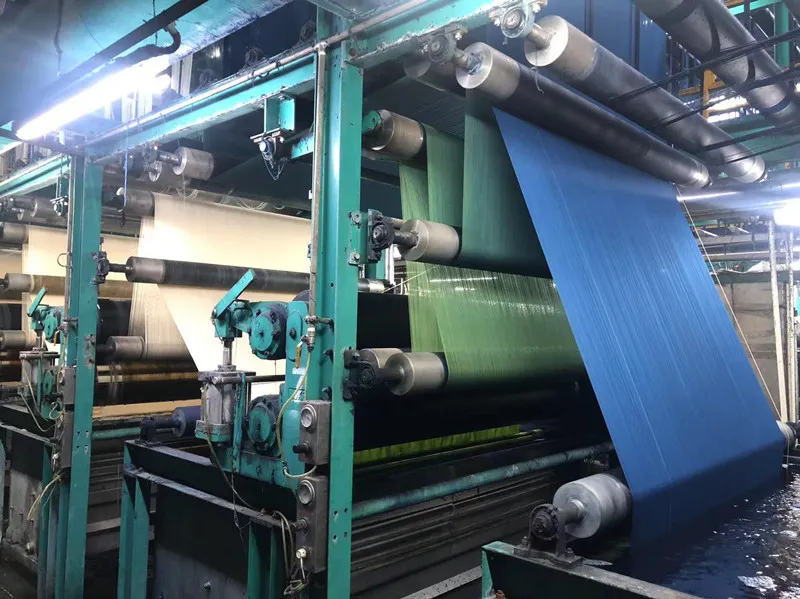
Tipos de métodos de teñido del denim
1. Teñido en madeja (método tradicional de alta calidad)
Tinte de cuerdas se considera el referente por excelencia del denim de alta calidad. En este proceso, se retuercen varios hilos para formar cordones y se pasan a través de baños de tinte índigo varias veces. Cada inmersión permite que se produzca la oxidación, lo que confiere al índigo su característico tono azul, al tiempo que deja el núcleo del hilo blanco, creando así el efecto de «teñido en anillos» que se va desvaneciendo maravillosamente con el paso del tiempo.
Ventajas:
-
Color intenso y profundo con una resistencia superior a la decoloración
-
Mínima rotura del hilo
-
Denim de gran durabilidad
En Newasia Garment Co., Ltd. (INNBLAC), utilizamos máquinas automáticas para teñir cuerdas con una capacidad de hasta Entre 12 y 15 repeticiones por ciclo, lo que garantiza una penetración uniforme y una profundidad de color óptima.
2. Teñido por corte (proceso continuo eficiente)
Tintura por corte es un método más moderno y de alto rendimiento que se utiliza a menudo para producción en masa de vaqueros. En lugar de cuerdas, las láminas de hilo se sumergen directamente en varios baños de índigo y cámaras de oxidación.
Ventajas:
-
Alta eficiencia productiva
-
Ideal para vaqueros de gramaje medio
-
Menores costes operativos
Nuestro líneas de tintura por corte en Newasia Garment Co., Ltd. (INNBLAC) están optimizados para control preciso de la temperatura, uniformidad del baño de tinte y equilibrio automático de la tensión para mantener una coloración uniforme a lo largo de miles de metros.
3. Teñido con azufre (para denim negro o de color)
Aunque el índigo produce el azul clásico, colorantes de azufre se utilizan para vaqueros negros, grises, marrones u oliva. Estos tintes ofrecen una gran solidez del color y tonos suaves.
Aplicamos Técnicas de separación de azufre en la parte inferior y superior, lo que nos permite crear efectos de dos tonos (por ejemplo, azul-negro o gris-azul), que suele verse en los vaqueros de diseño de alta gama.
4. Innovaciones en tintura respetuosas con el medio ambiente y sostenibles
Newasia Garment Co., Ltd. (INNBLAC) invierte mucho en tecnología de teñido ecológico para reducir el impacto medioambiental.
Nuestras prácticas de sostenibilidad incluyen:
-
Tintura con ozono: Utiliza gas de ozono en lugar de agua para la oxidación, lo que permite ahorrar entre un 60 % y un 70 % de agua.
-
Tintura de espuma: Un proceso sin agua que reduce el uso de productos químicos en un 90 %.
-
Índigo reciclado: Reutiliza los pigmentos de índigo recuperados del tratamiento de aguas residuales.
-
Sistemas de circuito cerrado: Recuperar y reciclar el 95 % del agua utilizada en el proceso de teñido.
Estas innovaciones cumplen con GRS, ISO, y BSCI normas de certificación.
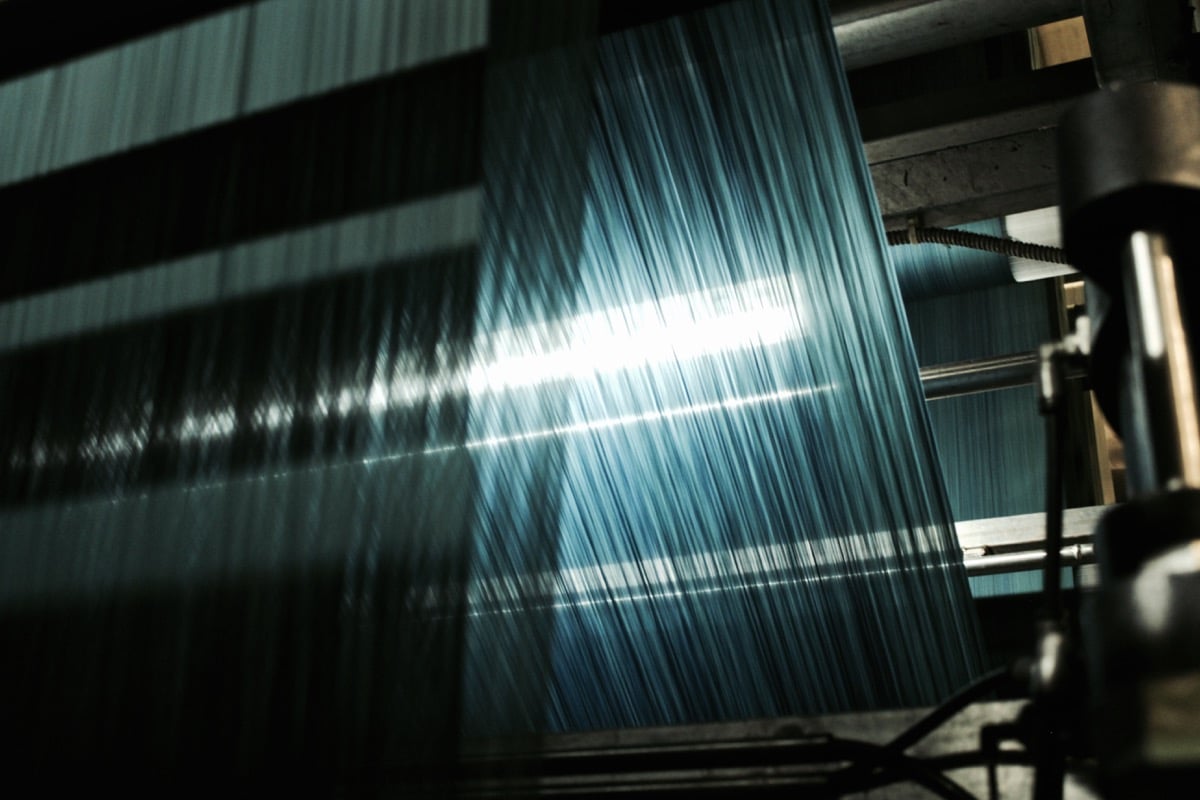
Comparación de métodos de teñido de vaqueros: teñido con cuerda frente a teñido con slasher
| Característica | Tintura de cuerdas | Tintura por corte |
|---|---|---|
| Efecto de color | Efecto de tinción en anillos muy marcado, ideal para un desvanecimiento de estilo vintage | Color uniforme, adecuado para tonos lisos |
| Capacidad de producción | Mayor rendimiento, apto para la producción en serie | Mínimos más bajos, flexibilidad para lotes pequeños |
| Penetración del colorante | Penetración uniforme y profunda, gran solidez del color | Penetración moderada, coloración uniforme de la superficie |
| Idoneidad del hilo | Apto para hilos convencionales y gruesos | Ideal para hilos finos, proceso de baja tensión |
| Colorantes y uso de recursos | Menos colorante y agente reductor, menos desperdicio de hilo | Opciones de color más flexibles y, por lo general, un menor consumo energético |
| Características del proceso | Es necesario volver a enfocar después del teñido | Sin reorientación del haz, flujo de proceso más sencillo |
| Uniformidad del color | Alta uniformidad, evita las variaciones de tono entre el centro y los bordes | Coloración uniforme en toda la lámina de hilo |
Resumen:
El teñido en cordón destaca por producir efectos desgastados de estilo vintage de alta calidad, con mayor uniformidad y profundidad de color, lo que lo hace ideal tanto para el denim de gama alta como para el destinado al mercado masivo. El teñido «slasher» ofrece mayor flexibilidad y eficiencia para lotes más pequeños e hilos más finos, con ventajas en cuanto al consumo energético y la simplicidad del proceso.
Proceso paso a paso de teñido de vaqueros en Newasia Garment Co., Ltd.
Así es como se desarrolla el proceso de coloración de tus vaqueros en nuestra fábrica:
1. Preparación del hilo
Los hilos de algodón de alta calidad se enrollan en conos y se agrupan en vigas de urdimbre. Antes del teñido, se someten a desencolado, lavado y blanqueo para eliminar las impurezas y garantizar una absorción uniforme del tinte.
2. Inmersión en un baño de tinte índigo
El hilo pasa por varios baños de tinte índigo—Cada inmersión añade una fina capa de color índigo a la superficie. El hilo nunca absorbe el color por completo hasta el núcleo, lo que crea el característico «efecto de núcleo blanco».
3. Oxidación
Después de cada inmersión, el hilo pasa por un torre de oxidación, donde la exposición al aire transforma el colorante leuco de índigo en su forma azul insoluble. Este paso es fundamental para garantizar la uniformidad del color.
4. Repetición y creación de capas
El ciclo de inmersión y oxidación se repite entre 8 y 15 veces, dependiendo de la intensidad de sombra necesaria.
5. Lavado y secado
Los residuos químicos se eliminan mediante lavado suave antes de que los hilos se sequen en condiciones de calor controladas.
6. Tallas
Se aplica una capa protectora de almidón y aglutinantes para reforzar los hilos destinados al tejido.
7. Tejido y acabado
Los hilos de urdimbre teñidos se tejen con hilos de trama sin teñir, lo que da lugar a la textura única del denim. Los procesos de acabado, como lavado enzimático, ablandamiento, y sanforización—garantizan la comodidad y la durabilidad.
Sostenibilidad: nuestro compromiso con un proceso de teñido responsable
En Newasia Garment Co., Ltd. (INNBLAC), la sostenibilidad no es una simple palabra de moda, sino que forma parte integral de todos los procesos.
Nos enorgullece poner en práctica:
-
Sistemas de teñido con baja proporción de líquido para ahorrar agua
-
Colorantes y productos auxiliares no tóxicos y biodegradables
-
Baños de tinte calentados con energía solar para reducir el consumo de energía
-
Plantas de tratamiento de aguas residuales (PTAR) para el reciclaje de aguas residuales
Nuestro Certificaciones de cumplimiento medioambiental:
-
Fábrica con certificación BSCI
-
GRS (Norma Global de Reciclaje)
-
Norma OEKO-TEX® 100
-
Sistema de gestión medioambiental ISO 14001
Por qué confían en nosotros las principales marcas Newasia Garment Co., Ltd. (INNBLAC) para el teñido y la producción de vaqueros
En las últimas tres décadas, Newasia Garment Co., Ltd. (INNBLAC) se ha convertido en un socio de confianza en materia de OEM/ODM para líderes mundiales del sector de la moda, entre los que se incluyen:
-
American Eagle Outfitters
-
Levi’s
-
Lee
-
Uniqlo
-
Brecha
Nuestros socios valoran:
-
Interno Líneas de teñido con cuerda índigo y «slasher»
-
Integración vertical completa: desde el hilado hasta el acabado
-
Más de 39 años de experiencia en I+D en el sector del denim
-
Más de 140 líneas de producción y 12 000 trabajadores cualificados
-
Producción diaria superior a 100 000 unidades
Tanto si estás creando una colección de vaqueros de alta gama como una línea de moda sostenible, adaptamos cada detalle de la producción a tu idea de diseño.
Nuestros servicios OEM/ODM para marcas de vaqueros
-
Diseño y desarrollo de vaqueros a medida
-
Abastecimiento de tejidos y ajuste del tono de índigo
-
Desarrollo de muestras y aprobación del ajuste
-
Lavados y efectos desgastados respetuosos con el medio ambiente (láser, enzimas, ozono)
-
Personalización de marca propia (etiquetas, embalaje, bordados)
-
Servicio de envío internacional y asistencia en trámites aduaneros
Cantidad mínima de pedido: 100 unidades por modelo | Plazo de entrega: 15-30 días | Envíos a todo el mundo
Preguntas frecuentes: proceso de teñido y fabricación del denim
Pregunta 1: ¿Qué tipo de tinte se utiliza para el denim?
Sobre todo tinte índigo, a veces junto con colorantes de azufre para vaqueros negros o de colores.
Pregunta 2: ¿Cuál es la diferencia entre el teñido en cuerda y el teñido por corte?
El teñido con cuerda proporciona degradados más intensos y naturales al denim de alta calidad, mientras que el teñido «slasher» es más rápido y económico para la producción a gran escala.
Pregunta 3: ¿El teñido del denim es perjudicial para el medio ambiente?
El teñido tradicional puede suponer un gran consumo de recursos, pero Newasia Garment Co., Ltd. (INNBLAC) La tecnología de teñido ecológico de reduce el consumo de agua y productos químicos hasta en un 80 %, garantizando la sostenibilidad.
Pregunta 4: ¿Ofrecéis un servicio de personalización del tono de índigo?
¡Sí! Podemos reproducir tonos específicos de índigo o crear combinaciones de colores personalizadas según los requisitos de tu marca.
Pregunta 5: ¿Podéis fabricar vaqueros tanto para las colecciones de hombre como para las de mujer?
Por supuesto. Nos especializamos en líneas de vaqueros para hombre, mujer, tallas grandes y sostenibles—desde pantalones ajustados hasta pantalones de pierna ancha, pasando por faldas y chaquetas.
Pregunta 6: ¿Cuál es vuestro pedido mínimo para vaqueros de denim?
Nuestro pedido mínimo es de 100 unidades por diseño. También colaboramos con marcas pequeñas y empresas emergentes.
P7: ¿Ofrecéis servicios de marca blanca?
¡Sí! Ofrecemos productos de marca blanca, personalización de la imagen de marca y envases adaptados a tus necesidades.
Pregunta 8: ¿Fabricáis para marcas conocidas?
Sí, somos socios OEM certificados de las principales marcas internacionales de moda, entre las que se incluyen Gap y American Eagle.
Pregunta 9: ¿Cuánto tiempo se tarda en fabricar unos vaqueros?
Los plazos de entrega habituales oscilan entre 15 y 30 días, dependiendo del volumen del pedido, la complejidad del lavado y los requisitos de personalización. También ofrecemos producción urgente cuando sea necesario.
Conclusión: Creando el futuro del denim con precisión y determinación
El proceso de teñido del denim define no solo el color, sino también el espíritu de cada par de vaqueros. En Newasia Garment Co., Ltd. (INNBLAC), nuestro compromiso con la artesanía, la tecnología y la sostenibilidad garantiza que cada producto de denim que fabricamos sea sinónimo de durabilidad, estilo y responsabilidad.
Desde los baños de índigo hasta los vaqueros terminados, cada etapa refleja nuestra misión de crear vaqueros de alta calidad y sostenibles para marcas internacionales.
📞 Contacto Newasia Garment Co., Ltd. (INNBLAC) Hoy
¿Buscas un socio de confianza con capacidades avanzadas de teñido de vaqueros?
Estamos preparados para hacer realidad tu idea de vaqueros, desde el hilo hasta la prenda terminada.
👉 ¡Pide hoy mismo tu presupuesto personalizado para prendas de vaquero!
