 Ir directamente al contenido
 servicios@innblac.com
 +8613802505081
Guía de fabricantes de ropa interior térmica
- por {{ author }} Lucy Zhou
Más allá de la leyenda del merino: cómo las marcas independientes estadounidenses están rediseñando los fundamentos técnicos
En la jerarquía de la ropa deportiva de alto rendimiento, la prenda que está más en contacto con la piel suele ser la más difícil de perfeccionar. Se trata de una prenda que asume la pesada responsabilidad de regular la temperatura, gestionar la humedad y proporcionar comodidad táctil, todo al mismo tiempo. Durante décadas, el mercado estadounidense se ha caracterizado por la «revolución del merino», liderada por iconos del sector como Smartwool, quien demostró que la base técnica podía ser a la vez de alto rendimiento y lujosa por naturaleza.
Hoy en día, sin embargo, el panorama está cambiando. Estamos entrando en una era en la que el consumidor estadounidense —desde el excursionista que conquista cimas en las Montañas Rocosas hasta el que se desplaza diariamente por Nueva York— exige algo más que simple calidez. Busca «prendas inteligentes». Para el diseñador independiente, el propietario de una boutique o el responsable de compras de una marca en expansión, este cambio supone una oportunidad de oro. Pero para competir con los gigantes tradicionales, hay que resolver el rompecabezas industrial definitivo: cómo conseguir materiales de primera calidad fabricación técnica para la expansión de marcas internacionales sin los enormes costes fijos que conlleva la producción en masa tradicional.
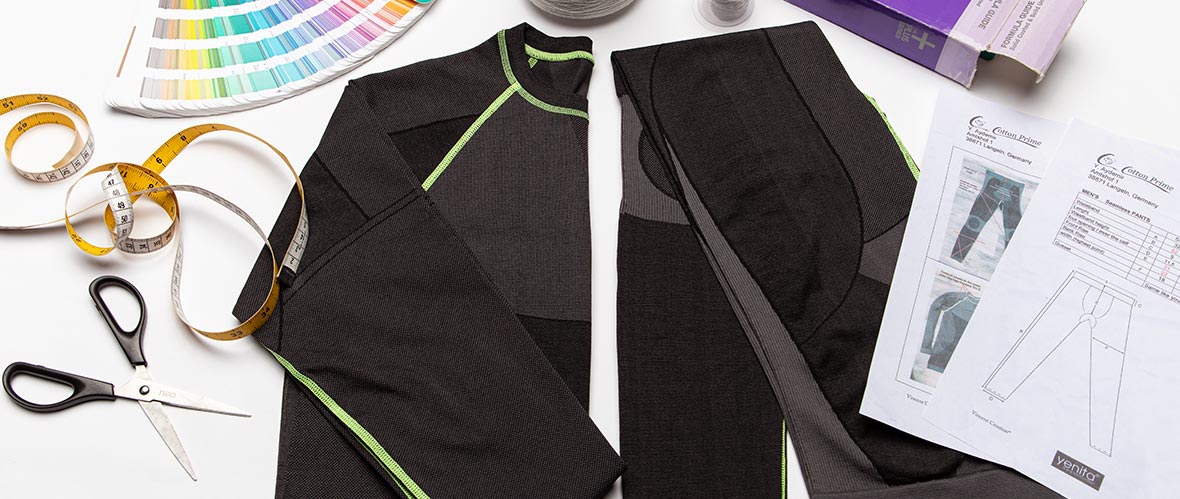
El mercado estadounidense: una nación en busca de una segunda piel
En la actualidad, Estados Unidos es el mercado más sofisticado y ávido de ropa interior técnica. En 2026, la «ropa interior técnica» habrá superado sus orígenes como prenda exclusiva para el invierno. Se habrá convertido en un elemento imprescindible durante todo el año para una cultura obsesionada con la optimización.
Volumen de mercado y dinámica de los canales
El volumen de este segmento es inmenso, con miles de millones de dólares circulando anualmente por los canales de ropa deportiva de alto rendimiento. Aunque las tiendas físicas especializadas, como REI o las tiendas locales independientes de running, siguen siendo fundamentales para comprobar el «tacto» de los productos, el centro de gravedad se ha desplazado hacia el espacio digital D2C (Direct-to-Consumer, «directo al consumidor»). Los compradores actuales están muy bien informados; no se limitan a comprar «camisetas interiores», sino que buscan «fibras de 18,5 micras», «transpirabilidad mecánica» e «integración de iones de plata antimicrobianos».
El auge de la personalización y el descubrimiento de nichos
Estamos observando un aumento de la demanda de colecciones especializadas y de tiradas limitadas. Ya se trate de un club de running privado que busca una relación de compresión específica o de una marca boutique de bienestar que lanza una Colección térmica sin costuras 2026, el consumidor estadounidense está dejando atrás el logotipo «único para todos» para decantarse por marcas que ofrecen una narrativa de diseño específica o un nicho funcional especializado.
Desentrañando la cadena de suministro: precisión técnica frente a realidad nacional
Al analizar la infraestructura mayorista de los fundamentos técnicos en EE. UU., se hace evidente una clara división. Si bien EE. UU. es una potencia en materia de marketing y diseño conceptual, la ingeniería física de estas «segundas pieles» es una cuestión de maquinaria especializada y ciencia textil avanzada.
La realidad del sector manufacturero
La gran mayoría de las prendas técnicas de alta gama que se venden en EE. UU. son importadas. La razón es puramente mecánica. La confección de una prenda que incorpore «transpirabilidad por zonas» o «compresión variable» requiere máquinas de punto circular de alto calibre, que históricamente se han concentrado en centros industriales de alta tecnología en el extranjero. Las instalaciones nacionales de «corte y confección» de EE. UU. suelen estar optimizadas para tejidos de punto o forros polares más pesados, y carecen de la capacidad de tejido de precisión necesaria para prendas de alto rendimiento ultraligeras de 120-150 GSM.
Importancia relativa y prioridades de los consumidores
En el mercado de 2026, la calidad viene definida por un conjunto estricto de requisitos funcionales:
· Mezclas de lana merina y materiales biosintéticos: Aunque la lana pura goza de una reputación legendaria, la tendencia se inclina hacia las «fibras híbridas», que combinan la lana merina con nailon reciclado o Tencel para aumentar la durabilidad y la rapidez de secado.
· Confección con costuras planas: En el caso de una prenda destinada al contacto con la piel, las costuras tradicionales no son una buena opción. Las costuras planas de precisión son un requisito básico para evitar las rozaduras durante la actividad de alta intensidad.
· El mandato de sostenibilidad: Como se puede ver en nuestro Serie de compresión de alto rendimiento, existe una preferencia abrumadora por los polímeros reciclados con certificación GRS y por el abastecimiento ético de lana.
El «muro de las startups»: cómo superar la barrera del gran volumen
Para un responsable de compras o un diseñador de una marca emergente, el mayor obstáculo es el Cantidad mínima de pedido (MOQ). La mayoría de las empresas industriales de alta tecnología de China o Vietnam operan a «escala Nike», con una demanda de entre 2.000 y 5.000 unidades por referencia. Para una marca que acaba de encontrar su nicho de mercado, este volumen es la receta perfecta para acabar con un almacén lleno de existencias sin vender y una cuenta bancaria vacía.
Además, el «coste total» —el precio de la prenda más los gastos de envío y los aranceles— puede resultar prohibitivo si la fábrica no está optimizada para producción ágil para marcas exclusivas. Es aquí donde se salva la brecha entre un «concepto» y un «líder del mercado», eligiendo un socio de producción que actúe como una división de I+D y no solo como un proveedor.
El giro estratégico: por qué nuestro modelo ágil es el motor de las pymes
Hemos rediseñado nuestras instalaciones de producción para que actúen como motor técnico del «Scaling Founder». Creemos que la próxima marca emblemática estadounidense no debería verse frenada por la rigidez industrial.
1. Aspecto técnico del pedido mínimo reducido: el umbral de 100 unidades
Hemos modularizado nuestras líneas de producción de alta tecnología para dar respuesta a Producción técnica totalmente a medida y de marca propia, a partir de tan solo 100 a 200 unidades. Esto te permite:
· Lanza una amplia gama de combinaciones de colores de temporada o colaboraciones de edición limitada sin arriesgar una gran cantidad de capital.
· Accede a acabados de alta gama —como las rejillas de ventilación integradas o los estampados reflectantes— que antes estaban reservados para contratos de un millón de unidades.
2. Prototipado virtual en 3D: rapidez sin residuos
En el dinámico mercado estadounidense, la «rapidez de comercialización» es tu mejor arma. Nosotros utilizamos Simulación avanzada de ajuste en 3D para plasmar tus diseños en avatares digitales. Podrás ver cómo las zonas de compresión se ajustan a la musculatura antes incluso de cortar una sola yarda de tela, lo que reduce tu fase de creación de muestras en 70 %.
3. Garantía del coste en destino (logística DDP)
Para un comprador de Nueva York, Los Ángeles o Denver, el «precio unitario» a pie de fábrica es solo una parte de la historia. Simplificamos la complejidad de la logística internacional ofreciendo Envío DDP (Entrega con derechos de aduana pagados). Nos encargamos de los trámites aduaneros, los aranceles y la entrega en el último tramo. El precio que te ofrecemos es el precio final a domicilio, lo que te permite disfrutar de los márgenes de un modelo de venta directa de fábrica con la comodidad de un proveedor local.
Conclusión: Cómo dotar a tu marca de autoridad en el ámbito de la ingeniería
La búsqueda de un socio de producción es, en definitiva, una búsqueda de Agilidad técnica. Aunque los mayoristas locales de EE. UU. ofrecen soluciones rápidas para productos de «merch» de baja tecnología, el crecimiento a largo plazo de una marca centrada en el diseño depende de la innovación a nivel de fibra y de la eficiencia de un Solución especializada en la fabricación de ropa para pymes de China.
Al optar por asociarte con una fábrica que comprende la ergonomía de un maratonista y la realidad financiera de una startup en expansión, obtienes la libertad para innovar, los márgenes necesarios para crecer y la calidad técnica requerida para convertir a un comprador que adquiere el producto por primera vez en un defensor de la marca de por vida.
¿Estás listo para crear el próximo producto estrella de tu marca?
Deja de buscar «piezas». Empieza a crear un movimiento.
Si eres diseñador, fundador o responsable de compras y estás dispuesto a conocer, en una comparación directa, las ventajas técnicas y económicas de nuestro modelo de fabricación «Direct-to-Founder», colaboremos.
· Accede a nuestro kit de muestra «2026 Foundation»: Descubre nuestro Fibras recicladas con certificación GRS, texturas suaves como la mantequilla de 150 g/m² y muestras de costuras planas antes de decidirte.
· Solicita una consulta de diseño 3D a medida: Envíanos tus bocetos o una foto de referencia, y nuestros ingenieros te proporcionarán una representación virtual en 360 grados y una comparación exhaustiva del «coste total» para tu Producción personalizada con un pedido mínimo reducido.
¿Te gustaría que nuestro equipo técnico te proporcionara una representación en 3D de tu diseño técnico personalizado para mostrarte cómo podemos potenciar la presencia de tu marca de cara a la temporada 2026?[📩 Ponte en contacto con nosotros ahora para solicitar el catálogo y un presupuesto personalizado]
