 Ir directamente al contenido
 servicios@innblac.com
 +8613802505081
¿En qué momento del proceso de fabricación se tiñen los vaqueros?
- por {{ author }} Lucy Zhou
Introducción
Comprensión cuando El teñido del denim durante el proceso de fabricación es fundamental para las marcas, los diseñadores y los equipos de abastecimiento que desean producir vaqueros de alta calidad con un color uniforme, un buen comportamiento en el desvanecimiento y una gran durabilidad. El teñido del denim es uno de los pasos más importantes —y técnicamente complejos— de toda la cadena de producción.
En esta guía completa, explicamos cuándo exactamente se tiñe el denim, cómo funciona el proceso, las diferencias entre el teñido en cuerda, el teñido por inmersión y el teñido de prendas, y cómo es un teñido de alta calidad en una fábrica profesional de vaqueros.
Al final de esta guía, también descubrirás por qué Newasia Garment Co., Ltd. (INNBLAC)—un socio fabricante de American Eagle Outfitters, Uniqlo, Gap, Levi’s y Lee—es el fabricante OEM ideal para las marcas que buscan una producción de vaqueros de alta calidad y constante.
Respuesta breve: Los vaqueros de denim están teñidos Antes Cómo se fabrica el tejido
Para responder directamente a la pregunta:
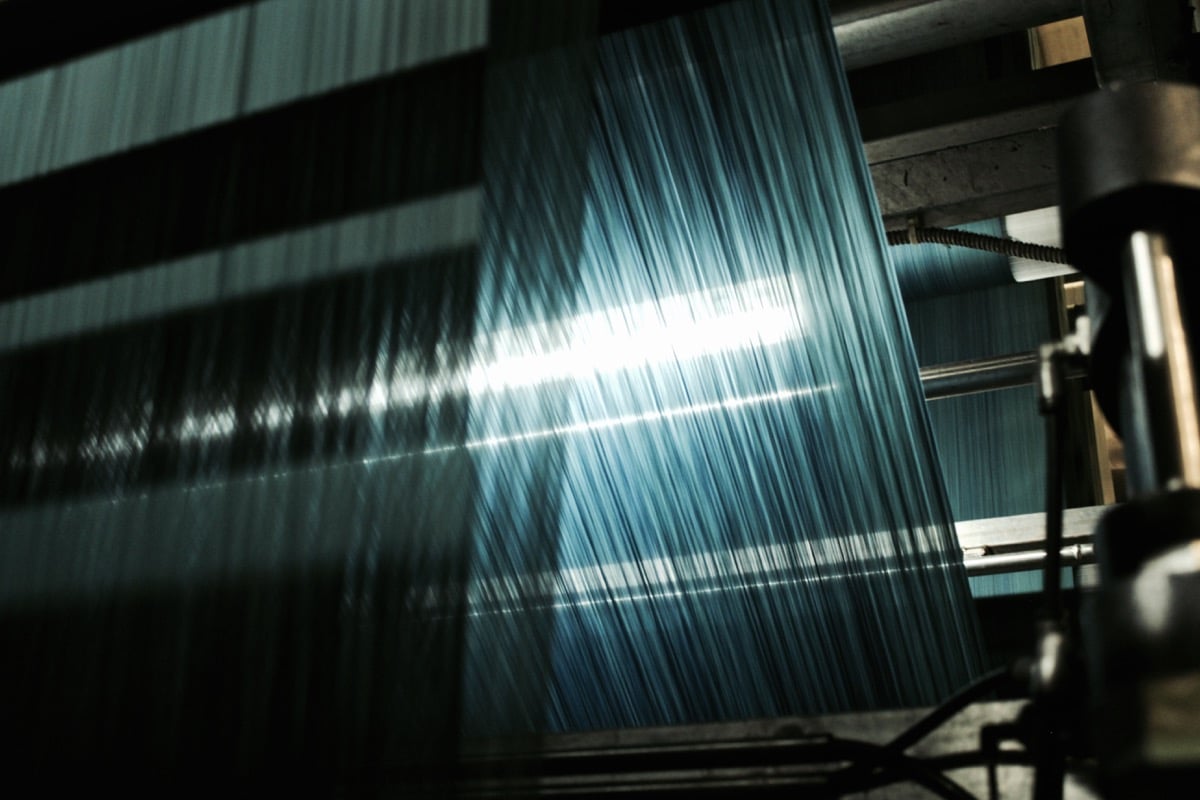
👉 El denim se tiñe en la fase de fabricación del hilo—después de que las fibras de algodón se hayan hilado, pero antes de que se teja la tela.
👉 Este paso se llama teñido de la urdimbre, lo que suele hacer teñido de cuerdas o teñido por corte.
Por eso el denim tiene ese aspecto característico: el hilo de urdimbre se tiñe de azul índigo, mientras que el hilo de trama se deja blanco.
Conceptos básicos sobre los vaqueros sobreteñidos
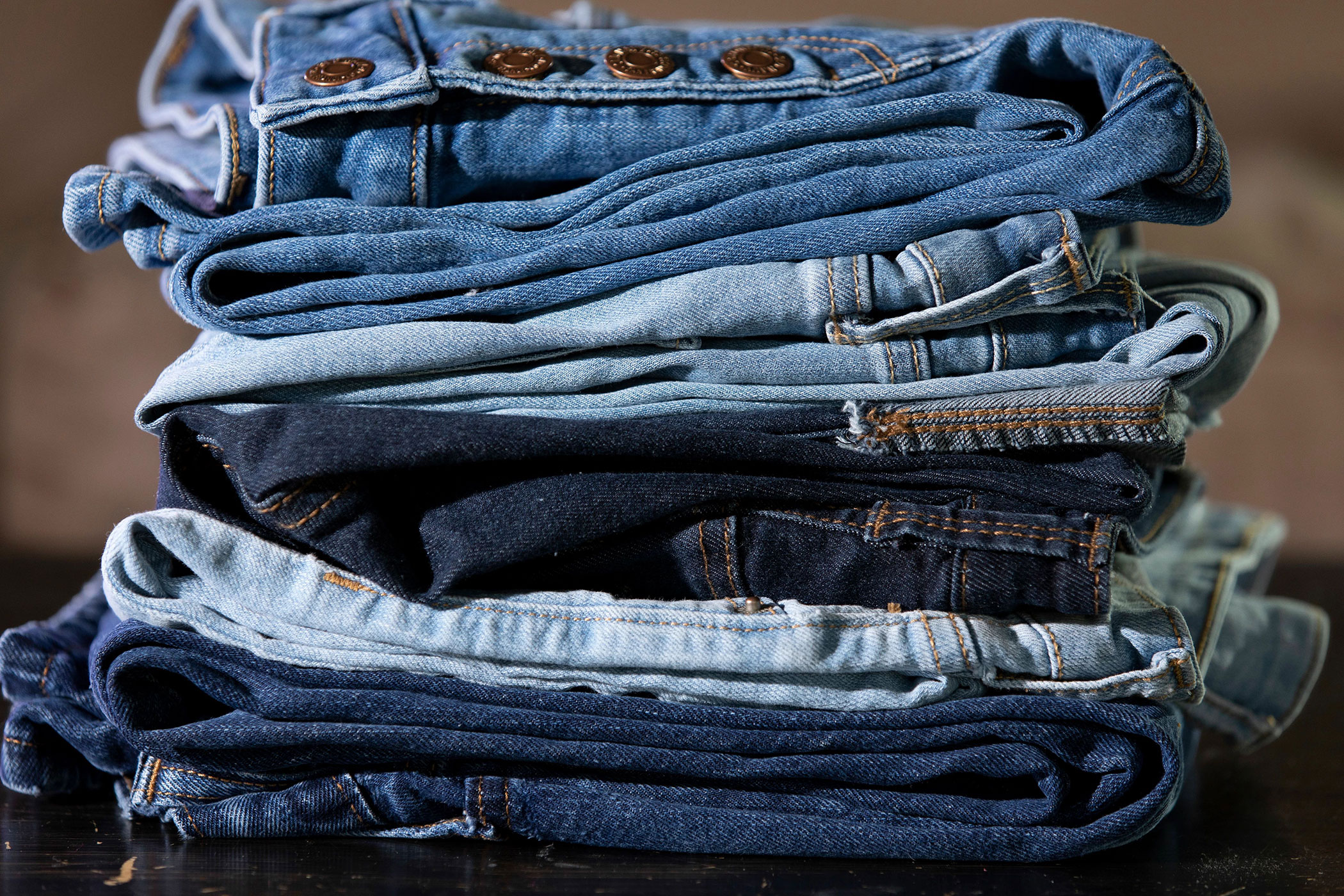
Vaqueros sobreteñidos Se caracterizan por contener una mayor cantidad de tinte que los vaqueros tradicionales. Siguen estando confeccionados con denim. De hecho, todos los vaqueros están confeccionados con denim. Los vaqueros sobreteñidos simplemente se fabrican utilizando más tinte durante el proceso de producción.
Como ya se ha mencionado, los fabricantes recurren al tinte para dar color a sus vaqueros. El denim es, esencialmente, algodón, y el algodón es blanco por naturaleza. Por lo tanto, a menos que unos vaqueros sean blancos, deben teñirse durante la producción. El teñido cambia el color de los vaqueros, lo que abre las puertas a nuevas posibilidades. Los fabricantes pueden crear vaqueros de prácticamente cualquier color tiñéndolos. Los vaqueros están disponibles en índigo, azul claro, rojo, amarillo, verde, negro y un sinfín de colores más, todos ellos teñidos. El término «vaqueros sobreteñidos» se refiere simplemente a los vaqueros que contienen un mayor volumen total de tinte que los vaqueros estándar o tradicionales.
Análisis detallado: cuándo se tiñe el denim durante su fabricación
A continuación se muestra el cronograma completo del proceso de fabricación del denim, en el que se indica exactamente en qué fase tiene lugar el teñido.
1. Preparación de la fibra → Aún sin teñir
El algodón pasa por:
-
Apertura
-
Limpieza
-
Cardado
-
Peinado
-
Dibujo
En este momento no se aplica ningún tinte.
2. Hilado → Todavía no se ha teñido
Las fibras de algodón se hilan para obtener hilo:
-
Hilado en anillos
-
Hilado de extremo abierto
-
Hilado compacto
Estos hilos aún no están teñidos (blanco natural).
3. Teñido del hilo: es el proceso en el que se tiñe el denim
Esta es la etapa clave.
El color del denim se obtiene al teñir el hilos de urdimbre antes del tejido. Es en esta fase donde se crea el clásico tono azul, negro o gris del denim.
Existen tres métodos principales de teñido:
● Teñido de cuerdas (calidad superior, los mejores efectos de desvanecimiento)
Utilizado por las fábricas de vaqueros de primer nivel.
Proceso:
-
El hilo se recoge en largas madejas
-
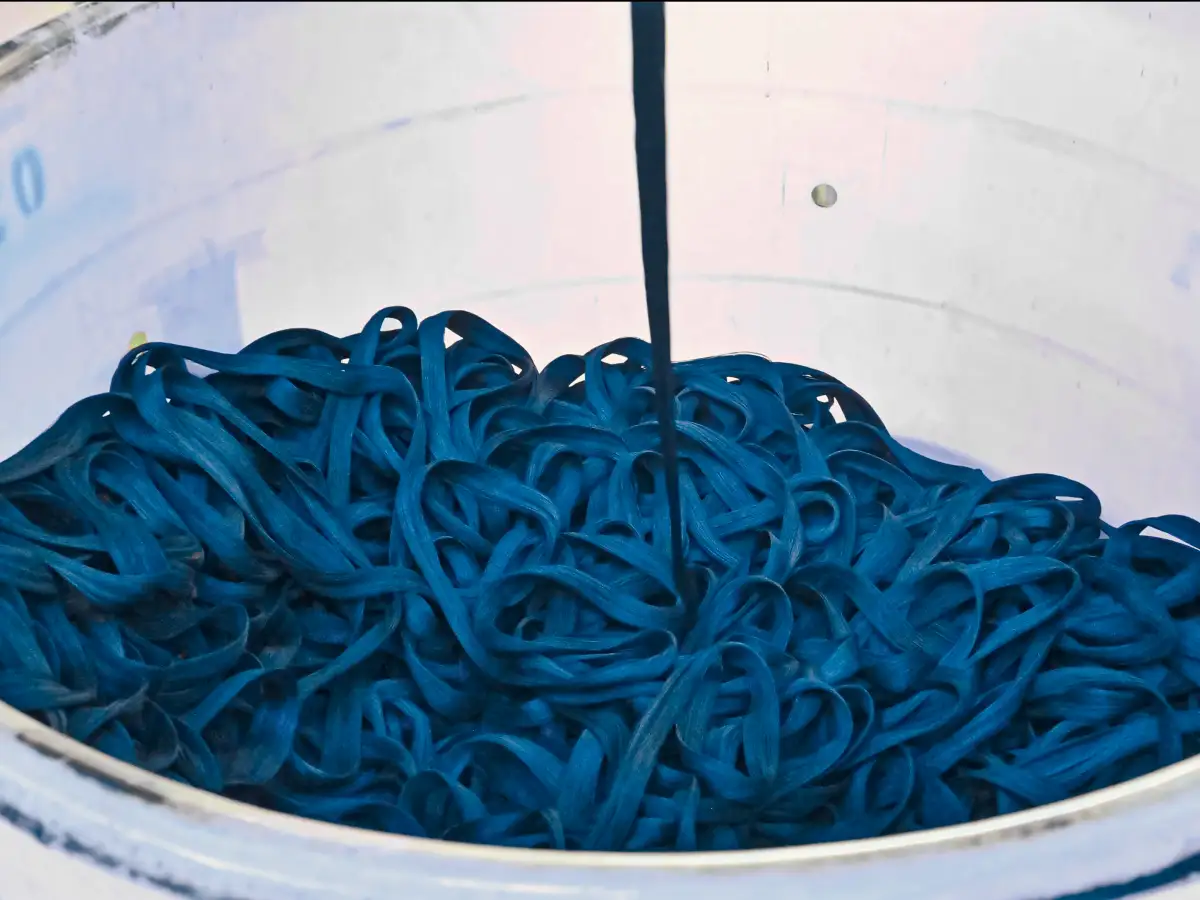
Remojado varias veces en una solución de índigo
-
Se oxida entre una inmersión y otra
-
El colorante se deposita únicamente en la capa exterior del hilo.
Características:
-
Produce el color índigo más intenso y auténtico
-
Crea un efecto desgastado natural y vintage (ya que el hilo está «teñido en anillo»)
-
Se utiliza para vaqueros de alta gama y denim clásico
● Teñido por corte (eficaz para la producción a gran escala)
Más automatizado y más rápido.
Proceso:
-
Los hilos pasan por varios baños de índigo en forma de láminas
-
A continuación, se clasificaron por tamaño y se secaron
-
Ideal para pedidos grandes y una producción constante
Características:
-
Alta eficiencia
-
Uniformidad del color
-
Habitual en la producción de volumen medio a alto
● Teñido con azufre (utilizado para el denim negro y gris)
Se utiliza para:
-
Vaqueros negros
-
Denim gris carbón
-
Vaqueros de colores
El teñido con azufre puede sustituir al índigo o combinarse con este para crear tonos intensos.
4. Tejido (tras el teñido)
Una vez teñidos los hilos:
-
Hilos de urdimbre azules
-
Hilos de trama blancos sin teñir
…se entrelazan para dar lugar al característico estilo del denim Tejido de sarga 3×1.
Durante el tejido no se realiza ningún proceso de teñido.
5. Acabado de tejidos (sin teñido)
El tejido vaquero se somete a los siguientes procesos:
-
Sanforización (preencogimiento)
-
Fijación y suavizado
-
Acabado de superficies
Aún así, no se añade ningún colorante.
6. Confección de prendas → Teñido / sobreteñido (opcional)
Tras el proceso de confección, algunos vaqueros se someten a tratamientos de color adicionales, tales como:
-
Sobreteñido
-
Colorante reactivo
-
Colorante pigmentario
-
Tintado
-
Decoloración enzimática
-
Acabado con láser
Estos procesos modifican el aspecto final, pero son no la etapa de teñido primario.
El tinte se utiliza habitualmente en la fabricación de vaqueros. Al confeccionar sus vaqueros, los fabricantes sumergen el tejido de denim en bruto en una solución compuesta por agua y tinte. El tinte, por supuesto, es el responsable de dar color a los vaqueros. Los vaqueros índigo se sumergen en tinte índigo, mientras que los vaqueros rojos se sumergen en tinte rojo. En cualquier caso, los vaqueros adquieren su color del tinte al que se someten. Sin embargo, quizá te sorprenda saber que algunos vaqueros se sobretiñen durante su fabricación.

Por qué se tiñe el denim en la fase de hilado: razones y ventajas clave
| Característica | Causa y mecanismo | Resultado y ventajas |
|---|---|---|
| Efecto de desvanecimiento «White-Core» | El tinte índigo no puede penetrar por completo en las fibras de algodón | Crea patrones de decoloración únicos y naturales con el paso del tiempo |
| Conservación de la resistencia del tejido | Los hilos se tiñen antes de tejerlos (teñidos en urdimbre) | Mantiene la integridad estructural durante la producción |
| Uniformidad del color | Proceso de teñido centralizado previo a la confección del tejido | Garantiza un color uniforme en lotes de producción de gran volumen |
| Técnicas versátiles de degradado | La capa de tinte superficial sobre un núcleo blanco permite realizar múltiples tratamientos | Permite el lavado a la piedra, el lijado, el efecto «whiskering» y el descolorido con láser |
El teñido en la fase del hilo es fundamental para conseguir las características auténticas del denim y lograr las propiedades de decoloración distintivas que lo hacen único.
Tipos de teñido del denim y cuándo se aplican
| Método de teñido | Cuando ocurre | Se utiliza para | Notas |
|---|---|---|---|
| Tintura de cuerdas | Antes de tejer | Denim de alta calidad | El mejor desvanecimiento y un color intenso |
| Tintura por corte | Antes de tejer | Denim a gran escala | Eficaz y coherente |
| Tintura con azufre | Antes de tejer | Denim negro/gris | Tonos profundos y uniformes |
| Tintura de prendas | Después de coser | Vestuario vaquero | Aspecto suave y vintage |
Cómo garantizan los fabricantes de alta calidad la uniformidad del teñido
Las mejores fábricas cumplen unas normas estrictas:
✔ Ensayos de solidez del color según la AATCC
-
Crocking
-
Solidez al lavado
-
Resistencia al sudor
✔ Comprobación de la continuidad de los tonos
Cada lote de tinte debe coincidir con las muestras de laboratorio aprobadas.
✔ Control de la temperatura y el pH
Es importante para la estabilidad del índigo.
✔ Sistemas de inmersión automatizados
Garantiza una saturación uniforme.
✔ Inspección del tejido antes del tejido
Evita la aparición de rayas o variaciones de tono.
Así es como las fábricas profesionales mantienen una calidad superior, tanto para las marcas de moda rápida como para las de vaqueros de lujo.
Fabricación profesional de prendas de vaqueros en Newasia Garment Co., Ltd. (INNBLAC)
Newasia es uno de los principales fabricantes de vaqueros OEM/ODM de Asia, con avanzadas capacidades de teñido y acabado reconocidas por marcas internacionales.
Somos socios fabricantes de:
-
American Eagle Outfitters
-
Uniqlo
-
Brecha
-
Levi’s
-
Lee
Nuestro sistema de producción de vaqueros abarca todo el proceso:
- ✔ Teñido en cordón y teñido por inmersión
- ✔ Teñido con negro de azufre y colorante de azufre
- ✔ Socios de tejido de primera calidad
- ✔ Laboratorio de lavado completo: láser, enzimas, ozono, e-flow
- ✔ Control riguroso del tono y control de calidad AQL 2,5
- ✔ Pedido mínimo reducido para marcas nuevas (100 unidades)
- ✔ Personalización avanzada para fabricantes de equipos originales (OEM)
Nos encargamos de todo, desde el diseño hasta el acabado final de la prenda.
Por qué las marcas eligen Newasia Garment Co., Ltd. (INNBLAC) para el teñido de vaqueros y la producción OEM
1. Normas internacionales sobre teñido
Cumplimos con las normas de solidez del color de la AATCC y la ISO.
2. Alta uniformidad entre los distintos lotes de colorante
Los rigurosos sistemas de gestión del color garantizan tonos uniformes.
3. Transparencia total en la producción
Desde la selección del hilo hasta el lavado final.
4. Pedido mínimo reducido + capacidad estable a gran escala
Adecuado tanto para marcas pequeñas como para grandes cadenas minoristas.
5. Cuenta con la confianza de marcas de renombre mundial
Nuestro trabajo cumple con los requisitos de calidad del sector minorista a nivel mundial.
Preguntas frecuentes sobre el teñido del denim
Pregunta 1: ¿Se tiñen los vaqueros antes o después de coserlos?
Sobre todo antes, durante la fase de teñido del hilo.
Pregunta 2: ¿Por qué solo se tiñen los hilos de urdimbre?
Esto da lugar a la emblemática textura de sarga azul y blanca del denim.
Pregunta 3: ¿Qué tinte se utiliza para los vaqueros azules tradicionales?
Tinte índigo, ya sea natural o sintético.
Pregunta 4: ¿Se pueden teñir los vaqueros después de coserlos?
Sí, en los procesos de sobreteñido o de teñido de prendas.
Pregunta 5: ¿Por qué se decolora el denim con el paso del tiempo?
El índigo solo recubre la superficie del hilo, lo que le confiere un aspecto envejecido natural.
Envíos y gestión de pedidos
-
Para artículos en stock: envíos a todo el mundo en un plazo de 3 a 7 días
-
Para pedidos personalizados: plazo de producción: entre 15 y 30 días
-
Todos los envíos se tramitan con la documentación de exportación completa para garantizar un despacho de aduana sin contratiempos
- Envío directo disponible previa solicitud
Colabora con Newasia para la fabricación a medida de vaqueros OEM
Newasia Garment Co., Ltd. (INNBLAC) está preparada para ayudar a marcas, diseñadores y mayoristas a crear colecciones de vaqueros de alta gama mediante servicios profesionales de teñido, lavado y fabricación por encargo (OEM) con todo el proceso incluido.
📌 También colaboramos con American Eagle Outfitters, Uniqlo, Gap, Levi's y Lee.
📌 Si necesitas servicios OEM personalizados, ponte en contacto con nosotros.
👉 Solicitar muestras y presupuestos
👉 Empieza hoy mismo tu producción de vaqueros
